Why Red Light Therapy Results Vary So Dramatically From One Person to the Next
Quick Answer: Red light therapy results vary significantly between individuals due to differences in device power output and wavelength accuracy, consistency of use, skin tone and depth of light penetration, and the specific concern being targeted — devices and protocols that work well for one goal (like surface skin texture) may be underpowered or mismatched for a different goal (like deeper muscle recovery).
The variability isn’t random — it comes down to a handful of specific, checkable factors that differ between people’s setups and goals.
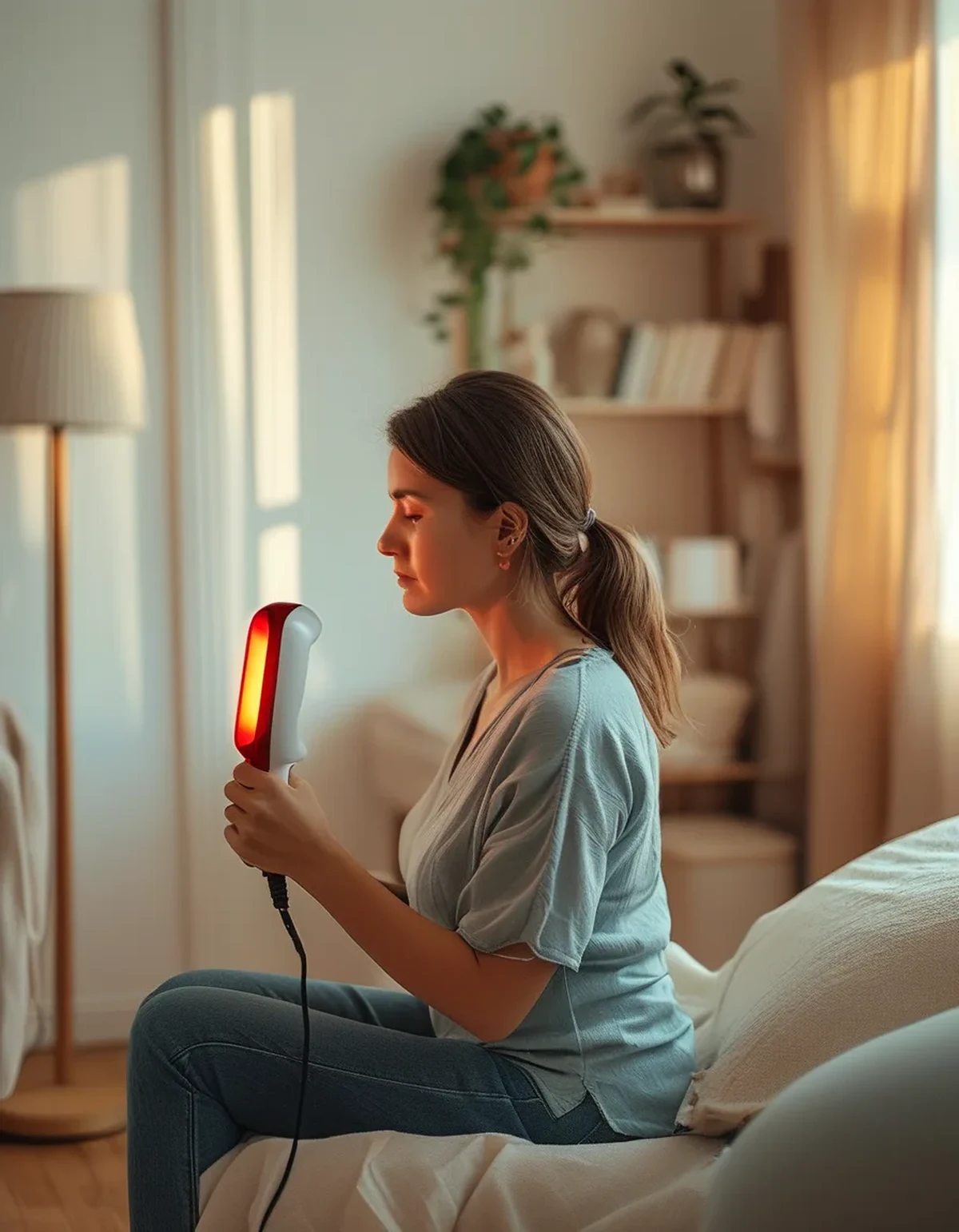
Does device quality actually explain a meaningful part of the variation?
Yes, substantially — many budget devices have lower actual power output (irradiance) than their marketing suggests, and effective red light therapy depends on delivering sufficient light energy at the correct wavelength to tissue — an underpowered device can be used consistently and still under-deliver on real results.
How much does consistency of use matter compared to device quality?
About equally as much — most red light therapy research protocols involve near-daily use over 8-12 weeks, and inconsistent, sporadic use (a few times a week, stopping and starting) is a common reason for underwhelming results even with a genuinely capable device.
Does skin tone affect how much light actually penetrates?
Yes, to a degree — melanin absorbs some light wavelengths, meaning darker skin tones may need slightly longer exposure times or closer device distance to achieve comparable light penetration to lighter skin tones, a variable not always addressed in generic usage instructions.
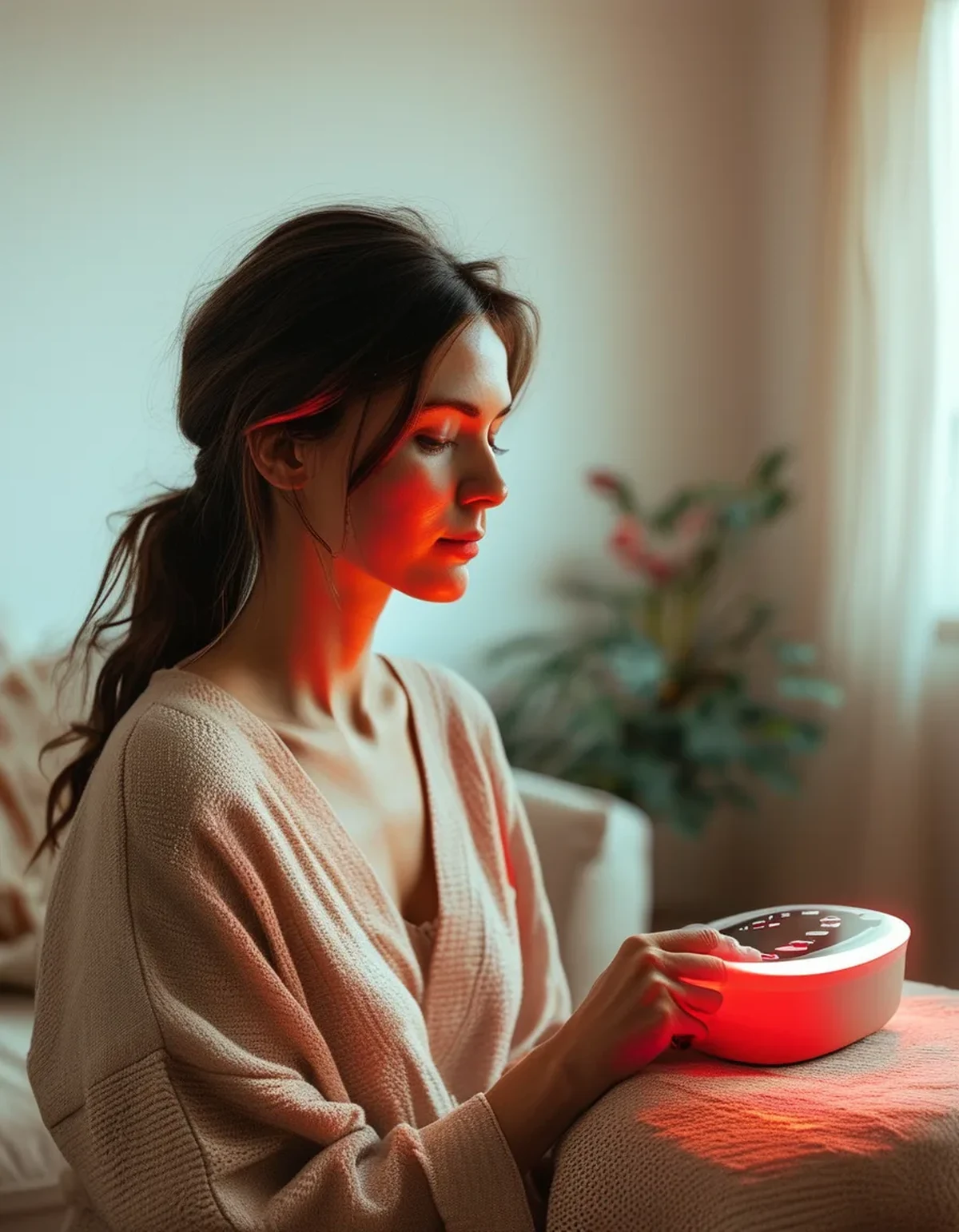
Does the specific goal change what ‘working’ even looks like?
Significantly — surface skin concerns (texture, fine lines) generally respond faster than deeper concerns (muscle recovery, joint discomfort), which require more light penetration and often longer treatment courses — comparing timelines across different goals sets unrealistic expectations.
Is device distance from skin a commonly overlooked variable?
Yes — many people use panels farther from skin than the device’s tested effective distance, which meaningfully reduces the light energy actually reaching tissue; checking manufacturer-specified distance rather than assuming ‘closer is always fine’ or estimating loosely matters more than it seems.
What Nobody Tells You About Red Light Therapy Variation
Some individual variation in response likely comes down to baseline cellular and mitochondrial function, which genuinely differs between people — this means two people with identical devices and identical consistency can still see somewhat different response magnitudes, similar to how people respond differently to the same exercise program.
FAQ: Red Light Therapy Variation Questions, Answered
How long is reasonable to try before concluding a device or protocol isn’t working?
Most research-backed protocols suggest at least 8-12 weeks of consistent use before evaluating results, especially for non-surface concerns.
Is it worth switching devices if results seem underwhelming after consistent use?
If device power output is confirmed low relative to research-backed levels, yes — but first confirm consistency and correct distance/duration before assuming the device itself is the problem.
Does combining red light therapy with other treatments change the variability picture?
It can, since a combined approach may produce results even when red light therapy alone would underperform for a specific individual’s response profile.
TL;DR:
- Device power output varies more between brands than marketing typically reflects
- Consistency of near-daily use matters as much as device quality for most protocols
- Skin tone and target concern both affect how much light penetration is actually needed
- Some genuine person-to-person variation in response is expected and normal
Before concluding red light therapy ‘doesn’t work’ for you, check device power specs, your actual distance from the panel, and session consistency — these three factors explain more of the variation than most people expect.
Keep Reading
This article is for general informational purposes only and is not medical advice. Always consult a qualified health professional for guidance specific to you.