Does Red Light Therapy Actually Work Through Clothing?
Quick Answer: Red and near-infrared light therapy generally does not work effectively through clothing, because most fabrics — even thin ones — absorb or scatter a significant portion of the specific wavelengths involved, meaning direct skin exposure is needed for the light to penetrate to the depth required for its intended effects.
Running a session with a t-shirt still on feels efficient — skip the outfit change, get the ten minutes in, move on with the day. Except the panel doing its job on the other side of that shirt is mostly light doing very little.
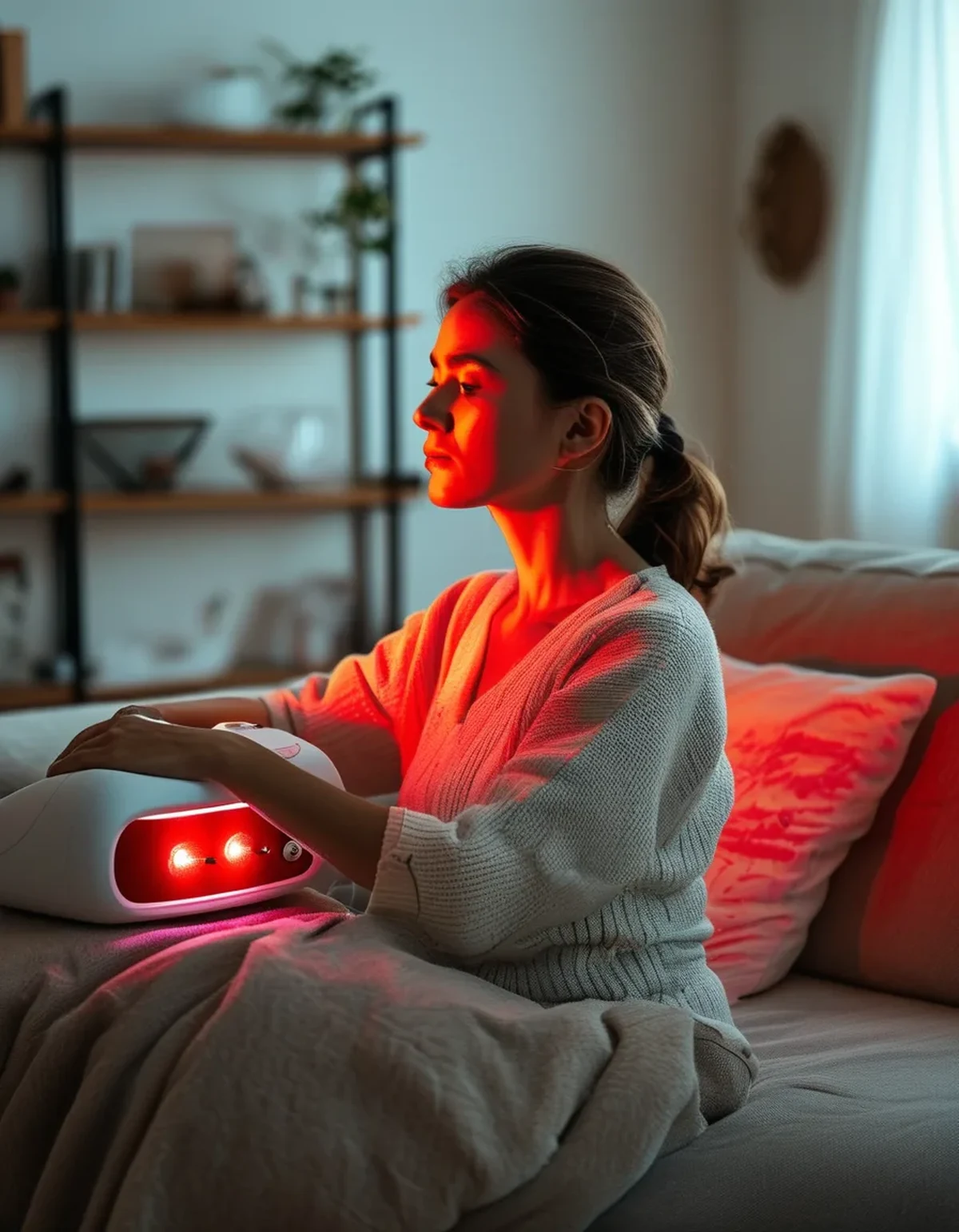
Why does clothing block red light therapy specifically, when the light looks like it passes through thin fabric?
Even fabrics that appear to let visible light through significantly scatter and absorb light at the specific 630-850 nanometer wavelength range red light therapy uses, because the fiber structure of most fabrics — including thin cotton or synthetic blends — disrupts the coherent, direct path the light needs to penetrate skin to the depth (several millimeters, reaching into deeper tissue layers) where the therapeutic cellular effects are believed to occur; what looks like light passing through to the eye is often a small fraction of the effective dose the skin actually needs.
Does fabric type make a meaningful difference, or does all clothing block it equally?
There is some variation — very thin, light-colored, single-layer synthetic fabrics block somewhat less light than thick, dark, or multi-layer fabrics, but even the most permissive common clothing still meaningfully reduces the effective light dose reaching skin compared to direct exposure, meaning no standard clothing option reliably replicates the results of bare-skin exposure even if it performs better than nothing.
What Nobody Tells You About Red Light and Clothing
Product marketing and testimonials rarely specify whether direct skin exposure was used, and someone comparing their own lackluster results (achieved through clothing) to online success stories (which typically involved direct skin contact) may wrongly conclude the device itself doesn’t work, when the actual issue is the clothing barrier reducing the dose to a fraction of what was tested or reported by others.
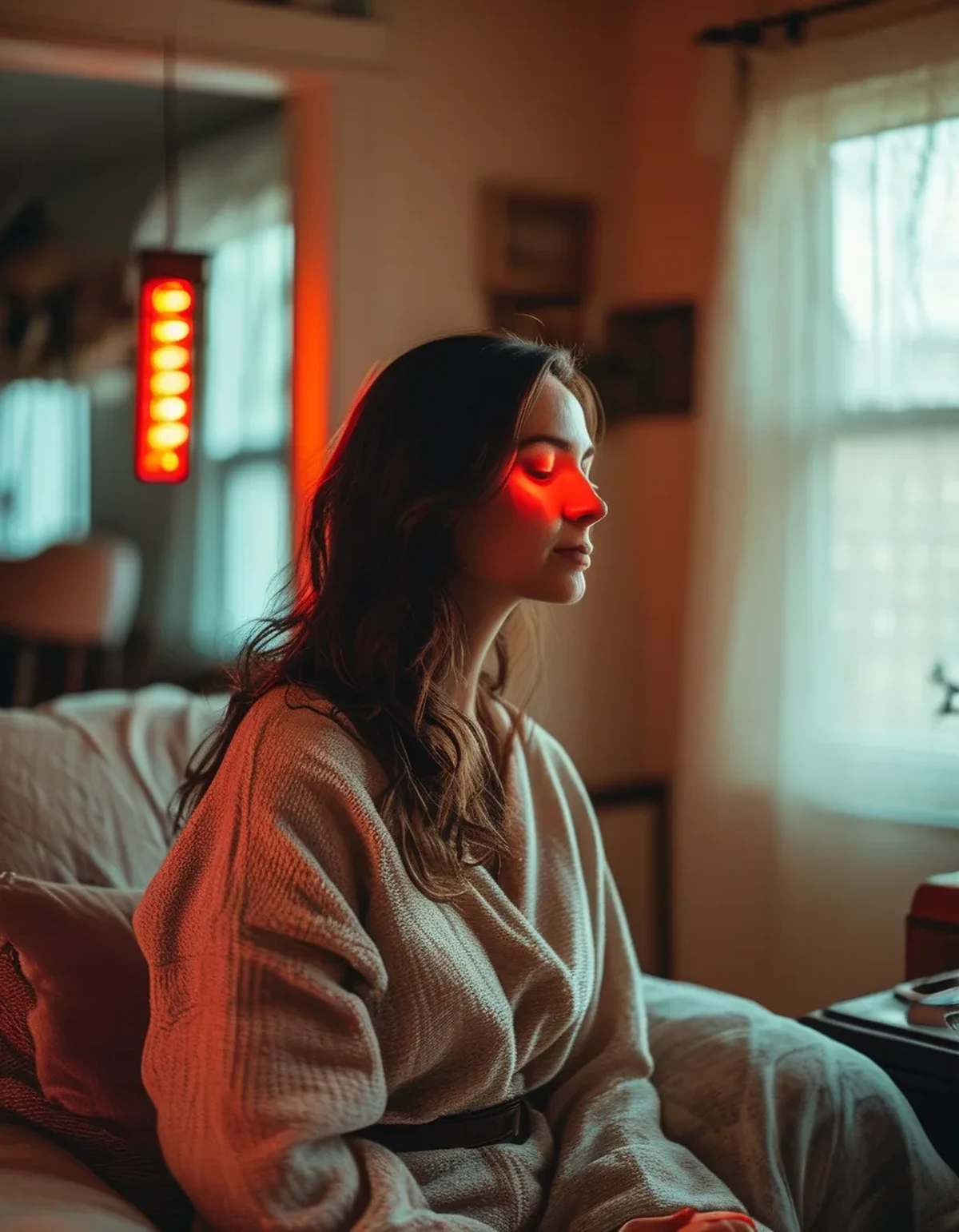
Is there a difference between light clothing and full coverage for how much benefit is lost?
Yes — a single thin layer over a targeted area (like a shirt over the lower back) reduces effective dose significantly but not as completely as multiple layers or thicker fabric, meaning someone determined to use red light therapy with minimal clothing removal should prioritize the thinnest possible single layer directly at the target area rather than treating all clothing barriers as equally bad, while still understanding this remains meaningfully inferior to bare skin.
Does distance from the panel matter more or less when clothing is involved?
Clothing and distance are separate but compounding factors — moving closer to the panel increases light intensity reaching the target area, but it cannot fully compensate for what a fabric layer absorbs and scatters before the light ever reaches skin, meaning getting closer to the panel while still wearing clothing does not restore the dose to what direct skin exposure at a normal distance would provide.
FAQ: Red Light Therapy and Clothing, Answered
Is it worth doing a red light session at all if full undressing isn’t practical in the moment?
A session through thin clothing is not worthless, but expectations should be adjusted significantly downward, since it delivers meaningfully less effective dose than direct skin exposure would.
Does this clothing barrier issue apply equally to all red light wavelengths?
Both the visible red (roughly 630-660nm) and near-infrared (roughly 810-850nm) wavelengths commonly used are similarly affected by fabric scattering and absorption, so switching between the two doesn’t meaningfully solve the clothing barrier problem.
What’s the most practical way to still get full benefit if privacy or convenience is a concern?
Using a private space at home for direct-skin sessions, even briefly, tends to be more time-efficient in terms of actual results than repeated longer sessions through clothing that never reach the intended dose regardless of duration.
TL;DR:
- Red and near-infrared light is significantly absorbed and scattered by most fabrics, even thin ones
- No common clothing type reliably replicates the results of direct skin exposure
- Comparing clothed-session results to bare-skin testimonials online sets unrealistic expectations
- Getting closer to the panel while clothed doesn’t meaningfully restore the lost effective dose
This is general information, not medical advice. If red light therapy sessions haven’t felt like they’re delivering results, checking whether clothing has been part of the routine is worth doing before assuming the device or the therapy itself isn’t working.
Keep Reading
This article is for general informational purposes only and is not medical advice. Always consult a qualified health professional for guidance specific to you.